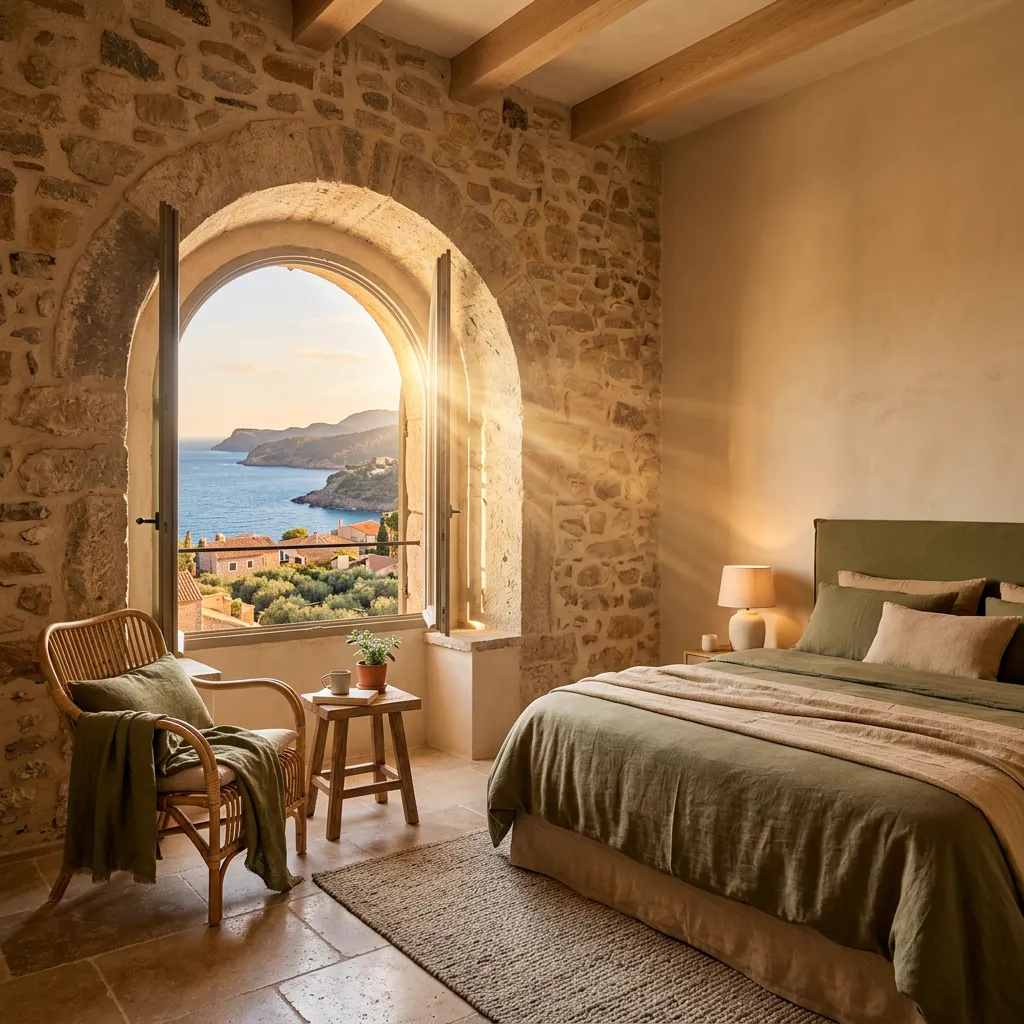
The Alacati and Cesme peninsula is a unique geography shaped by centuries of cultural exchange and distinguished by its local stone architecture. Restoring historical buildings here is not just about repairing a structure; it is about breathing new life into a space while carrying the traces of the past into the future.
1. Analysis and Preservation of Original Stone Materials
The first step in any restoration project is the thorough analysis of the building's current structural integrity and stone quality. Alacati stone is a soft limestone of tuff character. Cleaning and consolidating these stones, which have been damaged over time by humidity, wrong cement applications, and environmental conditions, is vital. By completely scraping away cement-based plasters, we apply traditional Khorasan mortar or lime-based mortars that allow the stone walls to breathe.
"When restoring a stone house, our greatest guide is the material itself. Instead of hiding the stone texture, we aim to bring its history and character to the forefront."
2. Modern Living Scenarios in Historical Context
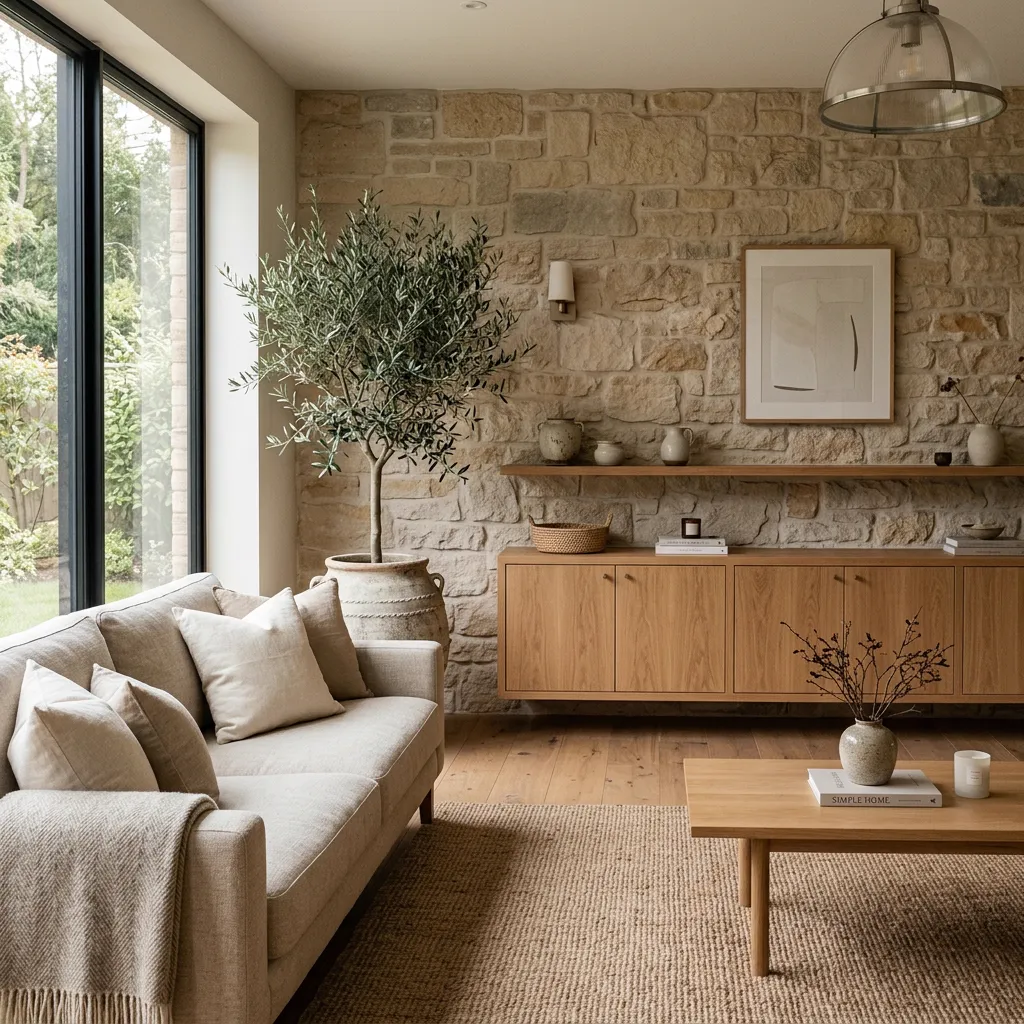
Living in a historical home should not mean compromising on today's comfort standards. Our approach is to integrate climate control systems, modern plumbing, and electrical infrastructures using hidden conduits or special details without damaging the original masonry or wood beams. We utilize minimalist steel-framed glass windows to create fluid transitions between the interior spaces and the sun-drenched Aegean courtyards.
3. Functional & Serene Interior Volumes
To balance the heavy and textured nature of stone, we practice 'warm minimalism' inside. Raw oak furniture, natural linen curtains, and microcement floor finishes soften the rustic feel of the stone walls, creating a contemporary equilibrium where history and modern serene living coexist.