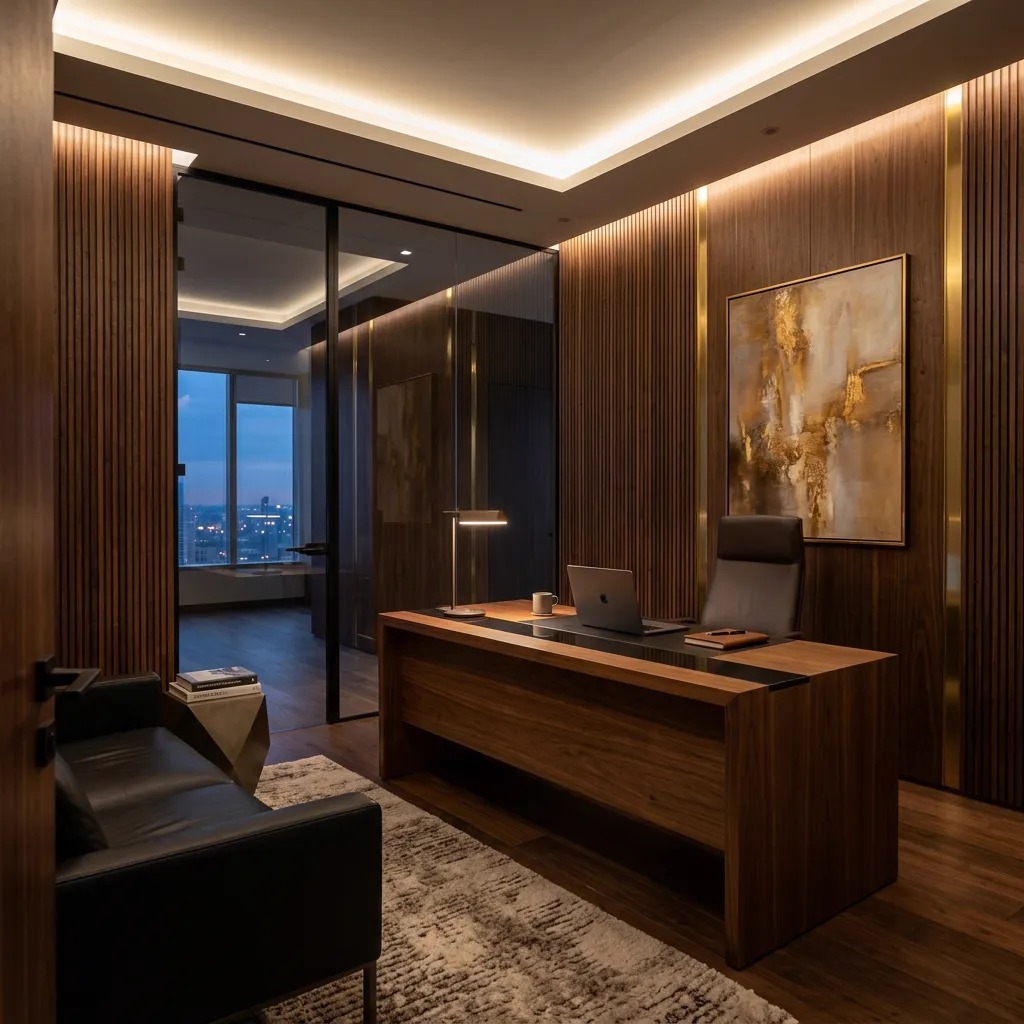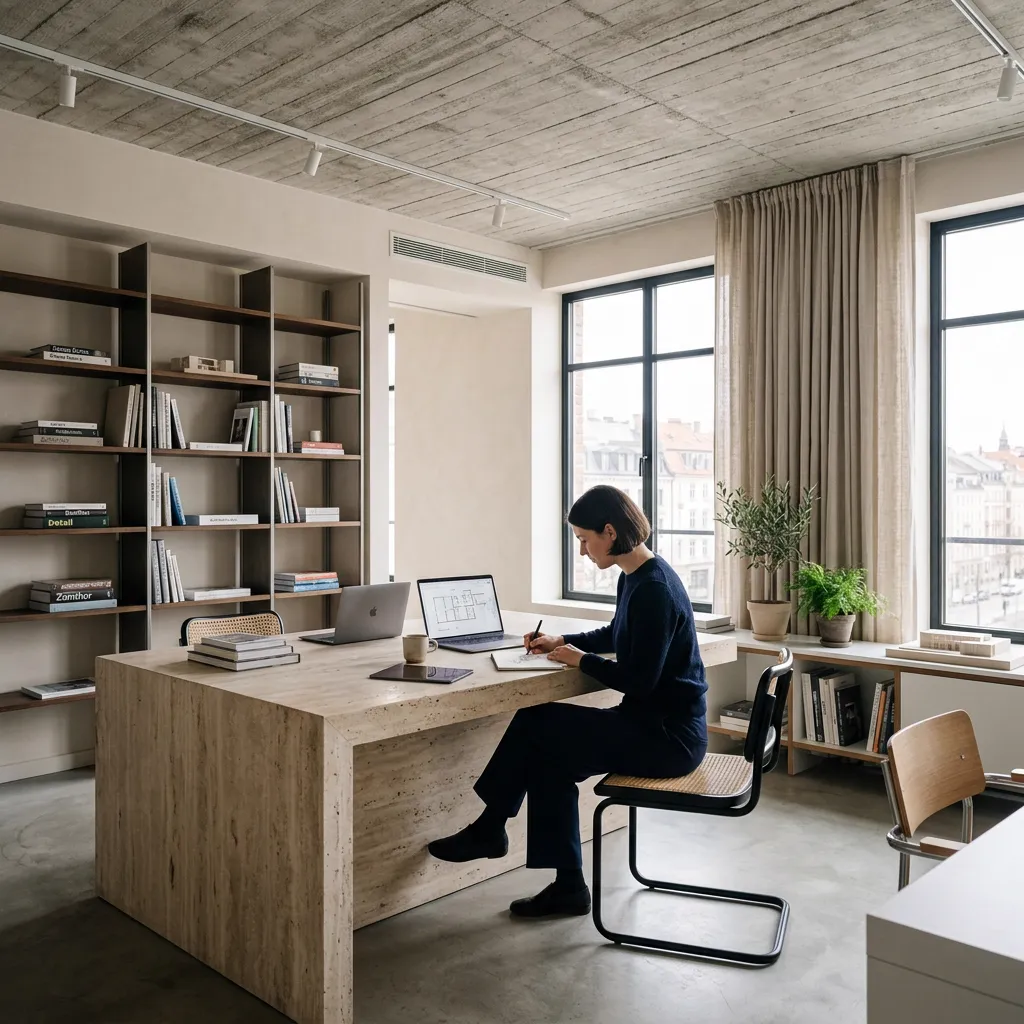
The most abstract yet powerful material in architectural design is light. No matter how well you lay out a space, what gives it a soul and makes its volumes visible is the quality of light and its counterpart, shadow. In our interior design work, we treat light not just as functional illumination, but as a sculptural element that shapes the room.
1. Channeling and Filtering Natural Light
Controlling the angle and power of the Aegean sun is one of the most critical stages of our Alacati projects. We aim to create soft, filtered illumination instead of harsh direct glare. To achieve this, we design wooden shutters, trellises, and linen drapery in front of glass panes. By using matte lime plasters on walls, the sieved light distributes softly across the surface rather than bouncing off reflectively.
"Light and shadow represent the natural rhythm of a space. The fresh light of dawn and the golden hour of dusk tell completely different stories on the same wall surface."
2. Sculptural Volumes and Structural Niches
Instead of structural columns or partition edges behaving like sharp boxes, we mold them into rounded, soft-cornered transitions. These curved planes allow light to travel seamlessly without harsh breaks. Deep horizontal niches and sculptural alcoves sculpted into the walls add depth and mystery by creating pocketed shadow volumes.
3. Indirect Lighting and Ambient Night Scenarios
Preserving the serene character of a home after sunset requires a carefully curated lighting script. Instead of a single bright chandelier hanging from the center of the ceiling, we employ low-level table lamps, concealed light strips, and custom clay wall sconces. By bouncing light off textured stone masonry or oak wood rather than shining it directly into eyes, we draft cozy night sanctuaries.